In the world of construction and manufacturing, steel pipes play a crucial role due to their versatility and strength. Understanding the classification of steel pipes is essential for selecting the right type for your needs. This article will provide an in-depth analysis based on three primary classification methods: production method, shape, and purpose.
1. Classification by Production Method
Steel pipes can be categorized according to the method employed in their production. The two main types are:
1.1 Seamless Steel Pipes
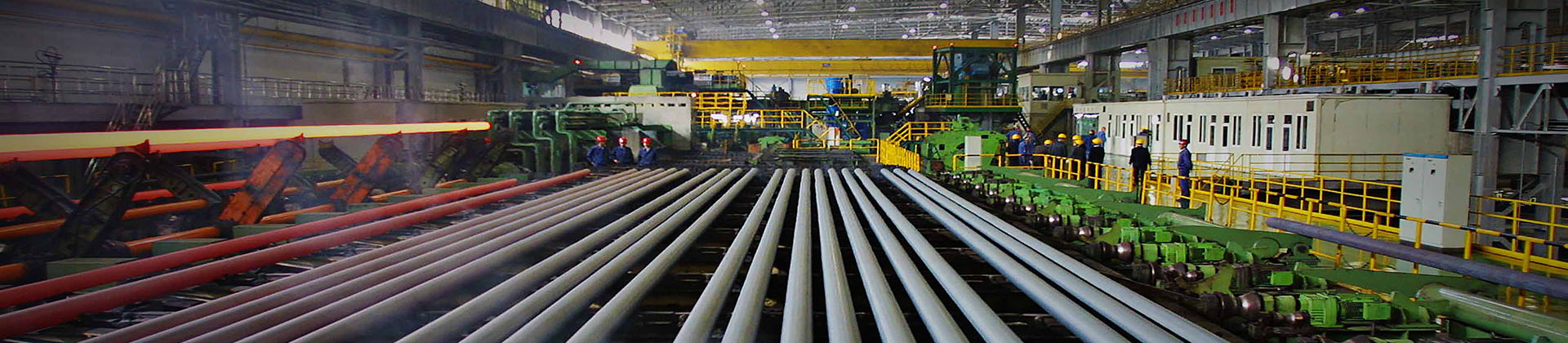
Seamless steel pipes are produced without any joints, making them robust and reliable. Their manufacturing processes primarily include:
- Hot Rolling (Extrusion): This method involves shaping the steel at high temperatures, creating strong and durable pipes.
- Cold Rolling (Drawing): This method is utilized to produce pipes with finer tolerances and improved surface finish.
- Hot Expanded Pipes: These are manufactured by expanding pre-existing tubes using heat, allowing for larger diameters.
Seamless steel pipes are widely recognized for their extensive applications across various industries.
1.2 Welded Steel Pipes
Welded steel pipes, on the other hand, are formed by welding edges of steel sheets or plates. They can be subdivided into:
- Straight Seam welded Steel Pipes: These pipes are produced by welding two edges together in a straight line.
- Submerged Arc Welded Steel Pipes: This method employs a submerged arc to produce deep, strong welds.
- Spiral welded Pipes: Steel is rolled and welded in a spiral fashion to produce pipes of larger diameters.
- Welded Hot Expanded Pipes: Similar to other welded pipes but expanded using heat for enhanced performance.
Welded steel pipes are known for their high production efficiency and relatively low costs, making them a popular choice in various applications.
2. Classification by Shape
The shape of steel pipes is another way to classify them. They can be categorized as follows:
- Square Pipes: Ideal for structural applications and aesthetic designs.
- Rectangular Pipes: Frequently used in construction, these pipes provide a larger area for load-bearing.
- Special-Shaped Pipes: This category includes non-standard shapes like octagonal, hexagonal, D-shaped, and pentagonal pipes, each designed for specific functionalities.
Moreover, there are complex cross-sectional shapes available, including:
- Double Concave Steel Pipes
- Five-Petal Plum Blossom Shaped Steel Pipes
- Conical Steel Pipes
- Wavy Steel Pipes
- Watermelon Seed Shaped Steel Pipes
- Double Convex Steel Pipes
These various shapes cater to diverse installation and usage requirements across different scenarios.
3. Classification by Purpose
Steel pipes can also be classified based on their intended applications. The main purpose-driven categories include:
- Pipes for Pipeline Systems: Used for transporting fluids in various industries.
- Steel Pipes for Thermal Equipment: Essential for heat exchangers and boilers.
- Mechanical Industry Pipes: Crucial for machinery and fabrication.
- Pipes for Oil and Geological Drilling: Specifically designed for extraction processes.
- Container Use Steel Pipes: Utilized to construct vessels for storing gases and liquids.
- Pipes in Chemical Industry: Important for transporting corrosive substances safely.
- Special Purpose Steel Pipes: These cater to niche applications that require unique properties.
Furthermore, the classifications encompass a diverse range of steel pipes to satisfy the multifaceted demands of multiple industries.
Understanding the classification of steel pipes is vital when selecting the appropriate type for your project. Whether you're looking for seamless steel pipes for their structural integrity or welded pipes for cost-effective solutions, the classifications by production method, shape, and purpose provide a comprehensive overview. With a solid grasp of the types and their applications, stakeholders in construction, manufacturing, and other fields can make informed decisions tailored to their specific needs.
For further inquiries or assistance regarding steel pipes, feel free to contact us!


