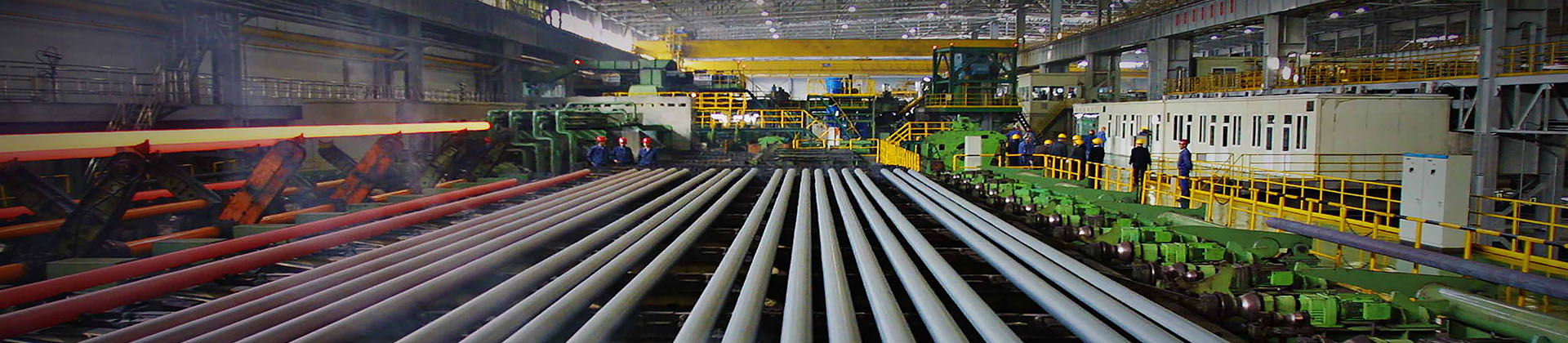
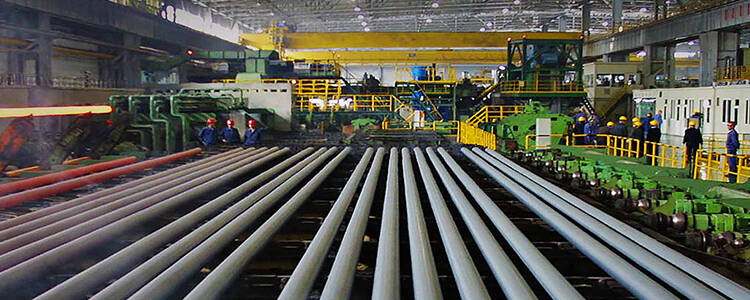
When a project calls for strength, dimensional accuracy, and dependable performance, structural steel pipe—also known as steel pipe for structure—is a smart choice. Manufactured to GB/T 8162-2018, these pipes are widely used in mechanical structures, chemical equipment, and other demanding applications.
Structural steel pipes fall into two main families: hot-rolled seamless pipes and welded pipes. Hot-rolled seamless pipes offer an outer diameter of 32–630 mm and wall thickness of 2.5–75 mm, while cold-drawn pipes cover 5–200 mm OD and 2.5–12 mm WT—ideal when tighter dimensions matter. Welded options include straight-seam electric-welded pipes conforming to GB/T 3793-2008, with 5–508 mm OD and 0.5–12.7 mm WT, plus spiral welded pipes for larger project requirements.
Material choice is equally flexible. Carbon steels such as 20 and 45# deliver dependable general performance, while alloy steels including Q345 and 20Cr provide added strength for more demanding service. From machinery frames to chemical processing equipment, there is a structural pipe to match the job.
For engineers, weight planning is straightforward:
Weight = 0.25 × π × (OD² − ID²) × Length × Steel Density
This formula helps teams estimate material requirements quickly and accurately.
Cold processing also makes a difference. Cold processing includes cold drawing and cold pilgering. In cold pilgering, the die aperture is reduced to stretch and extrude the material, and pipes produced on cold pilgering machines can deliver better performance than cold-drawn pipes—supporting smoother surfaces, tighter tolerances, and reliable mechanical properties.
Whether you need hot-rolled seamless, cold-drawn, straight-seam welded, or spiral welded structural steel pipe, GB/T 8162-2018 gives you a clear standard to specify. Choose the right grade, size, and process—and build with confidence.


