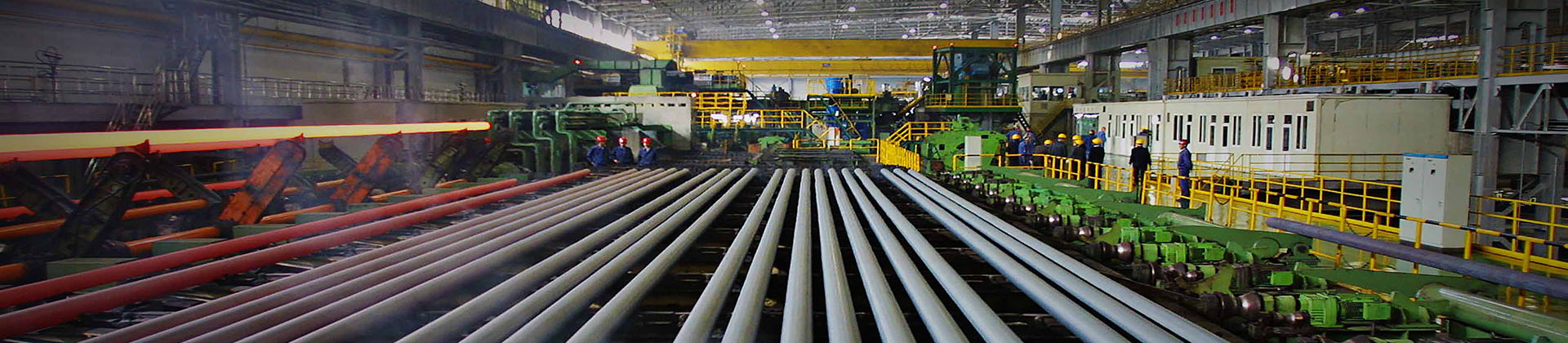
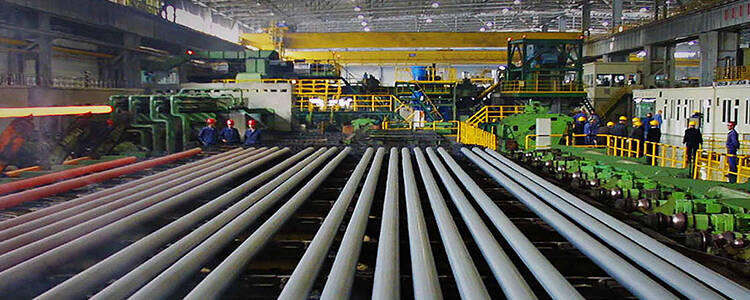
In the realm of industrial materials, stainless steel industrial pipes play a crucial role across various applications. They are primarily categorized into two types: seamless pipes and welded pipes. Each type has its production methods, material properties, and application suitability, which we will explore in detail.
Types of Stainless Steel Industrial Pipes
1. Welded Pipes
Welded stainless steel pipes constitute the majority of the market. These pipes are produced by welding stainless steel strip coils together. The manufacturing process begins with hot rolling the stainless steel coil to a specific thickness, followed by cold rolling to achieve the desired thinness. A notable characteristic of welded stainless steel pipes is that their internal surfaces exhibit seams resulting from the welding process.
Welded pipes, particularly stainless steel decorative pipes, are often treated to enhance their aesthetic appeal. This involves processes such as polishing, which results in a smooth and glossy surface. Due to their high-quality surface finish and relatively thin wall—typically ranging from **0.2mm to 5.0mm** for 304 stainless steel decorative pipes—they are widely used in architectural and decorative applications as well as in consumer products.
2. Seamless Pipes
On the other hand, seamless stainless steel pipes are manufactured through a cold drawing process, which eliminates the seams that are characteristic of welded pipes. As a result, the walls of seamless pipes are free from welds, providing additional strength and structural integrity. This quality makes stainless steel industrial pipes ideal for high-pressure and high-strength applications like mechanical structures.
Seamless pipes are typically thicker than their welded counterparts. While welded pipes are suitable for decorative purposes, seamless pipes are preferred for industrial environments where durability and reliability are paramount.
Surface Characteristics
The surface quality of stainless steel pipes differs between the two types. Stainless steel decorative pipes are often subjected to post-production processes such as additional rolling and polishing to achieve a smooth, shiny surface. In contrast, the surface of industrial seamless pipes is generally rougher, reflecting their intended use in environments where appearance is secondary to performance.
Applications and Considerations
The choice between welded and seamless stainless steel industrial pipes depends on the specific application requirements. Welded pipes, despite their seams and limitations in thickness, are frequently utilized in construction and decorative items due to their appealing finish. Conversely, seamless pipes, being thicker and possessing greater wall integrity, are the go-to option for industries requiring high pressure and robust mechanical properties.
In summary, stainless steel industrial pipes are essential materials with distinct characteristics and applications. Understanding the differences between seamless and welded pipes—alongside their manufacturing processes—can guide professionals in selecting the appropriate type for their specific needs. Whether you are looking to enhance architectural aesthetics or require durable solutions for industrial applications, knowing the nuances of these materials will help you make informed decisions.


