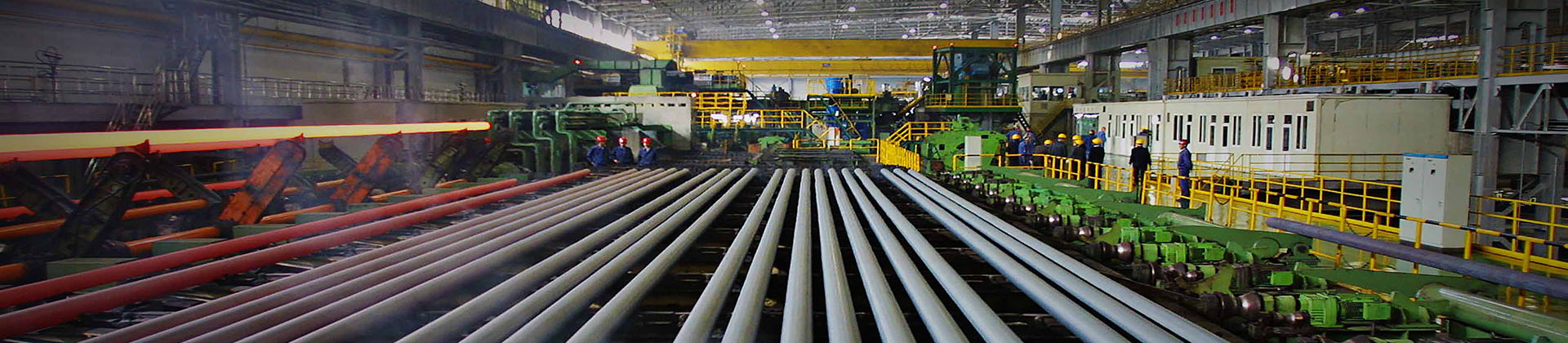
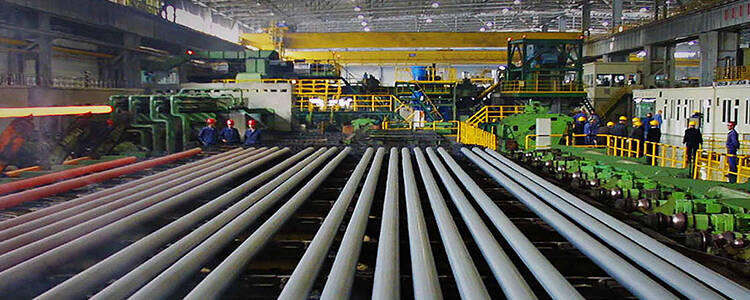
Hot-rolled carbon steel pipes are known for their composition and manufacturing method. They are produced by rolling the steel at a high temperature, which allows for easier shaping and reduces its hardness. Within the umbrella of hot-rolled carbon steel pipes, there are several subcategories which include:
- General Steel Pipes: These are widely used in various applications and can be adapted for multiple functions.
- Low and Medium Pressure Boiler Pipes: Designed specifically for boiler systems, these pipes handle the necessary pressure for efficient steam generation.
- High-Pressure Boiler Pipes: These pipes are engineered to withstand higher pressure levels, ensuring safety and reliability in critical applications.
- Alloy Steel Pipes: Incorporating various alloying elements, these pipes exhibit enhanced properties like improved strength and resistance to corrosion.
- Stainless Steel Pipes: Known for their non-corrosive attributes, stainless steel pipes are essential in applications requiring cleanliness and durability.
- Petroleum Cracking Pipes: These specialize in hot and high-pressure conditions, primarily in the oil and gas sector.
- Geological Steel Pipes: Used for drilling and geological exploration, these pipes are tough and durable.
- Other Types of Steel Pipes: This category includes a variety of specialized pipes tailored for unique applications.
Hot-rolled seamless pipes typically have an outer diameter greater than 32 mm and wall thickness ranging from 2.5 mm to 75 mm. Their manufacturing process allows for robust structural integrity, making them suitable for heavy-duty applications.


