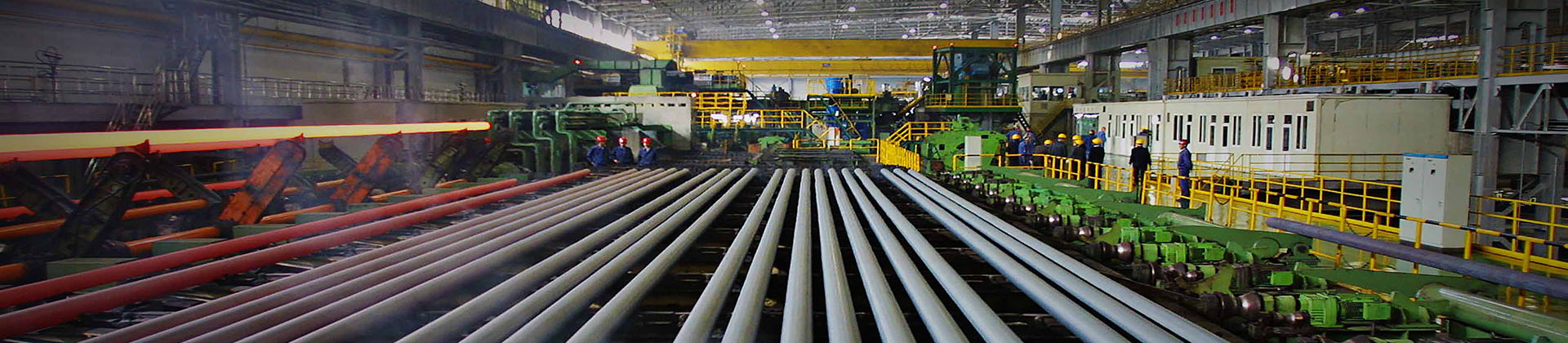
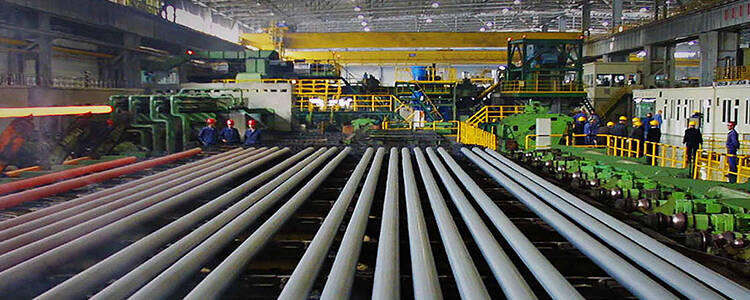
Welded steel pipes, which are widely used in various industries, play a crucial role in fluid transportation and structural applications. This blog post will provide a detailed overview of the classification of welded steel pipes based on national standards, highlighting their specific applications, representative materials, and unique features.
1. GB/T 3091-1993: Low-Pressure Fluid Transport Galvanized Welded Steel Pipe
The GB/T 3091-1993 standard pertains to low-pressure fluid transport galvanized welded steel pipes. These pipes are primarily designed for conveying water, gas, air, oil, and heating hot water or steam under relatively low-pressure conditions. The representative material used for manufacturing these pipes is Q235A grade steel. Their versatility makes them suitable for various general-purpose applications.
2. GB/T 3092-1993: Low-Pressure Fluid Transport Galvanized Welded Steel Pipe
Similar to the GB/T 3091-1993 standard, the GB/T 3092-1993 specification also addresses low-pressure fluid delivery using galvanized welded steel pipes. The applications and manufacturing material are nearly identical, involving **Q235A** grade steel. This redundancy offers alternative options for engineers and designers depending on their specific project needs.
3. GB/T 14291-1992: Mining Fluid Transport Welded Steel Pipe
The GB/T 14291-1992 standard is specifically designed for mining fluid transportation. These welded steel pipes are essential for applications such as compressed air delivery, drainage, and ventilation in mines. They utilize Q235A and Q235B grade steels, ensuring durability and reliability in demanding environments. This classification emphasizes the importance of welded steel pipes in the mining industry.
4. GB/T 14980-1994: Low-Pressure Fluid Transport Large-Diameter Electric Welded Steel Pipe
The GB/T 14980-1994 standard focuses on large-diameter electric welded steel pipes for low-pressure fluid transportation. These pipes are utilized to convey a variety of fluids, including water, sewage, gas, air, and heating steam. With Q235A grade steel as the representative material, this category caters to projects requiring larger diameters without compromising on strength or safety.
5. GB/T 12770-1991: Mechanical Structure Stainless Steel Welded Pipe
For applications in machinery, automobiles, bicycles, furniture, and hotel decorations, the GB/T 12770-1991 standard covers mechanical structure stainless steel welded pipes. This category utilizes various stainless steel grades, including 0Cr13, 1Cr17, 00Cr19Ni11, 1Cr18Ni9, and 0Cr18Ni11Nb. The corrosion-resistant properties of these materials make them ideal for aesthetic and functional purposes in durable goods.
6. GB/T 12771-1991: Fluid Transport Stainless Steel Welded Pipe
Lastly, the GB/T 12771-1991 standard addresses stainless steel welded pipes used for low-pressure transport of corrosive media. The representative materials include 0Cr13, 0Cr19Ni9, 00Cr19Ni11, and 0017Cr17Ni14Mo2 among others. These pipes showcase exceptional corrosion resistance, making them indispensable in industries where the integrity of the transported fluid is paramount.
In summary, the classification of welded steel pipes according to national standards continues to be instrumental in ensuring safety, efficiency, and reliability across various applications, from fluid transport to structural uses. Understanding the specifications such as **GB/T 3091-1993**, **GB/T 3092-1993**, **GB/T 14291-1992**, **GB/T 14980-1994**, **GB/T 12770-1991**, and **GB/T 12771-1991** allows engineers and industry professionals to select the appropriate welded steel pipe tailored to their project requirements. By familiarizing yourself with these classifications, your ability to make informed decisions about welded steel pipes will undoubtedly improve.


